

Key Takeaways
- App localization adapts your entire user experience for different markets, from language and design to payment preferences and cultural norms.
- Paddle data shows companies offering localized currencies see 25% more conversions on average, and enabling local payment methods increases checkout conversion from 4.3% to 6.5%.
- Payment acceptance rates vary significantly by currency. In India, EUR acceptance was 42.59% vs Indian Rupees at 55.03%, a 12.44% difference.
- The most successful consumer apps localize gradually, starting with high-impact markets rather than launching globally all at once.
Consumer apps win or lose based on user experience. Strong localization is what makes an app feel native to users rather than like a translated product from somewhere else.
To ensure foreign users have an excellent experience, you must adapt your entire mobile app for different markets. The apps that get this right see measurable differences in conversion and retention.
In this guide, we’ll walk through practical mobile app localization strategies for B2C apps, backed by data on what moves the needle.
What app localization means for consumer apps
App localization goes way beyond running your app strings through Google Translate. The user experience needs to be consistent across at least three layers.
First, there’s language and content. This is your user interface text, error messages, support docs, and marketing copy. Pretty straightforward, but there’s more nuance than you’d think.
Direct translation often misses cultural nuances or sounds unnatural to native speakers. Machine translation can give you a starting point, but it won’t capture the tone or context your app needs.
For instance, in 2022, Xbox faced backlash for its German translation, which had poor grammar and sounded funny.
Second, cultural and design adaptation. The imagery that resonates in one market can fall flat or even offend in another.
For example, Apple removed the “🤏🏽” emoji from its South Korean promos because of the message it conveyed.
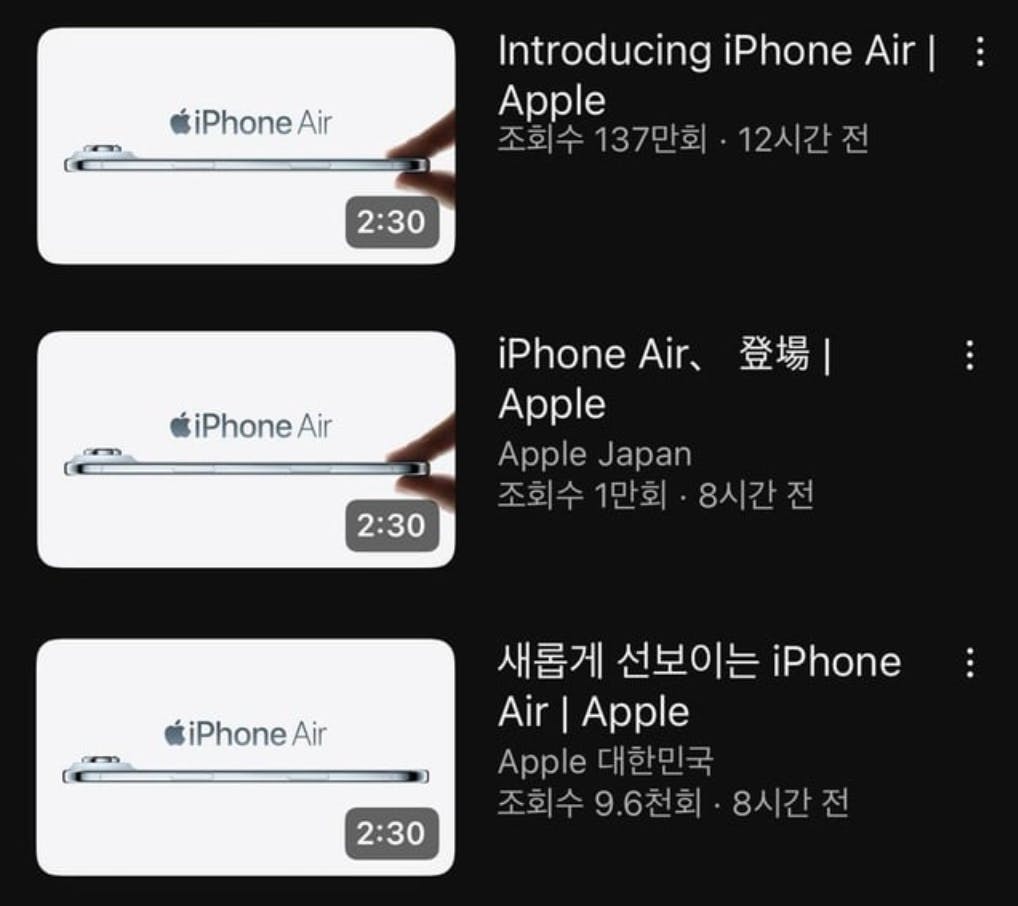
Color choices also carry different meanings. User flow expectations vary. What feels intuitive in a US app might confuse users in Japan or Brazil.
Third, functional localization. This includes payment methods, currencies, date and time formats, measurement units, and compliance requirements. A German user, for instance, would expect to see pricing in Euros instead of USD.
Consumer apps need deeper localization than B2B products because you’re dealing with lower-consideration decisions, higher-volume transactions, and more emotional purchase drivers.
App localization strategies that work for consumer apps
The localization process varies across apps, but certain best practices consistently drive results. Whether you’re handling localization in-house or working with app localization services, these strategies will help you prioritize effort and maximize impact.
Strategy 1: Start with your app store presence
Your app store listing is often the first experience users have with your product. If they can’t understand what your app does or why they need to download it, they won’t.
App store localization drives more app downloads. You need to localize your app description, keywords, and app screenshots at a minimum.
Some apps also localize their app name for certain markets, though this depends on brand strategy. Preview videos are worth localizing if you’ve got the production budget.
App store optimization (ASO) strategies differ between the Apple App Store and Google Play.
You’ll manage iOS localization in App Store Connect, while Android localization is handled in the Google Play Console. The Android localization process uses resource files and locale-specific directories, unlike iOS, which handles localization differently.
Certain markets skew heavily toward one platform, so understanding where your target market spends time matters.
User reviews and ratings in the local language build trust. When potential users see other people from their country leaving reviews, it signals that your app serves that market.
Strategy 2: Localize your in-app user experience
Language consistency matters from the moment someone opens your mobile app. If your onboarding is in French but your core features switch to English, you’ve broken the experience.
Supporting multiple languages requires more than translation. The German text is significantly longer than the English one. Arabic and Hebrew require right-to-left support, so your layouts need to account for those slight differences.
Some languages use vertical scripts. Your design system needs to flex for all of this. App developers often use frameworks like React Native to plan for these variations early in the app development phase.
Cultural adaptation shows up in imagery, color choices, and user flow expectations. Red means luck in China but danger in Western markets. Onboarding that works in the United States might feel too verbose in other regions.
Strategy 3: Localize your payment and checkout flow
This is where localization has the most direct impact on revenue across different regions.
Paddle data shows companies offering localized currencies see 25% more conversions on average. That’s not a small lift. When a seller switched from USD to EUR in Germany and France, they saw a 5-10% increase in payment initiation rates.
Users don’t want to do currency math in their heads. Showing prices in the right locale reduces cognitive load and builds trust.
Payment methods matter just as much as currency
Enabling local payment methods increases checkout conversion from 4.3% to 6.5%. That’s a 51% relative increase in conversion rate.
Payment acceptance rates also vary by locale. In India, EUR acceptance was 42.59% compared to Indian Rupees at 55.03%. That’s a 12.44 percentage point difference. Using local currency doesn’t just improve conversion; it improves the likelihood that payments go through.
Pricing psychology and models
What works at $9.99 in the US doesn’t translate directly to €9.99 or ₹999. The perceived value of those price points is different.
You should price based on your target market and their purchasing power, not just currency conversion. A $50 annual subscription might be reasonable in the US but expensive in India, even after converting to rupees.
Subscription vs one-time payment preferences vary, too. Some markets are subscription-friendly, others resist recurring charges. This is where localized pricing strategies make a real difference in conversion.
Payment terminology and compliance
Payment language has regional nuances that matter for a localized app. Don’t just translate “Subscribe now” literally. Local terminology for subscriptions, billing cycles, and refunds can differ significantly.
Error messages in the target language reduce support burden and cart abandonment. When a payment fails, and the user sees an error in English, they’re more likely to give up than if they get a clear explanation in their native language.
Compliance messaging needs to match local regulations, for instance, GDPR in Europe. Paddle handles sales tax compliance across 130+ countries so that you can focus on your app content rather than regulatory complexity.
Strategy 4: Localize customer support and communication
Localization extends beyond the app itself. Your support documentation, FAQs, and help center need to match the languages you support in-app.
Nothing frustrates users more than navigating an app in their language only to hit English-only support when they need help.
Creating a localized version of your support content is essential for reaching a global audience. Each locale should have documentation that addresses region-specific questions, payment methods, and compliance requirements.
Push notifications and email matter too. Timing, tone, and content all need cultural adaptation. A notification strategy that works in the US might feel too aggressive in Japan or too passive in Brazil.
If you’re building community features or maintaining social presence in different regions, those need localization too. Users expect to interact with your brand in their language and cultural context.
Strategy 5: Focus depth over breadth
Start with 2-3 high-potential markets.
How do you choose which markets to prioritize? Look at traffic volume, conversion gaps, and overall market size. If you’re getting decent traffic from a new market but conversions are terrible, that’s a localization opportunity.
Launch with minimum viable localization, then iterate based on user behavior.
Minimum viable localization looks like this: core app strings translated, local currency and payment methods enabled, basic app store presence. You don’t need to localize your entire help center and every feature on day one.
This is one of the key best practices for app localization. Focus depth over breadth in the early stages.
Strategy 6: Let data guide your priorities
Identify where users are browsing but not converting.
Do users in certain regions drop off at specific steps? That tells you where to focus localization effort.
Use A/B testing and localization testing for localization decisions. Test which markets to enter, which elements to localize first, and how to adapt pricing.
Track retention by market. Localization quality shows up in D7 and D30 retention rates. If users in a market aren’t sticking around, your localization might be surface-level when it needs to be deeper.
For teams managing translation across multiple locales, a translation management system can streamline localization and help you track what’s been translated and what still needs work.
Strategy 7: Build localization into your product development
App internationalization should start on day one. Design for text expansion from the beginning.
Use design systems that support multiple languages. Component libraries should handle right-to-left, vertical text, and significant text expansion without breaking.
Separate app strings from code early. If your text is hardcoded, localization becomes a development nightmare. Externalize strings from the start.
Plan for right-to-left and vertical text support in your roadmap. Don’t treat these as edge cases. They’re requirements for major markets.
Consider using a localization tool that integrates with your development workflow. While AI translation and machine translation can help speed up initial translation work, they shouldn’t be your only approach. Translation quality matters, especially for app content that directly impacts conversion.
If you’re building with frameworks like React Native, many localization services offer built-in support that makes managing translations across different language versions easier. Supporting a different language becomes less complex when your development workflow is set up for it from the start.
Strategy 8: Localize for mobile-first behaviors
There are over 8 billion smartphones worldwide. Your localization efforts should take that number into account. You should adapt your products so they can be used on mobile devices.
Consumer payment preferences on mobile devices also matter. People transact using mobile money, QR codes, and carrier billing.
And since you’re adapting globally, keep in mind that design assumptions from the US or European markets might not always work worldwide.
What feels right, like your onboarding flows, navigation patterns, and information density, in one market can feel wrong in another. Test with users in each market.
Strategy 9: Test your localization thoroughly
Localization testing catches issues before they reach users. Test across different locales, not just languages. French in France differs from French in Canada. Spanish in Spain differs from Spanish in Mexico.
Test payment flows in each locale. Make sure local payment methods work correctly, currency displays properly, and tax calculations are accurate.
Test UI layouts with actual translated content. Text expansion can break designs. Right-to-left support needs verification. Test on actual devices in target markets when possible.
Get feedback from native speakers. They’ll catch cultural missteps, awkward phrasing, and context errors that automated testing misses.
Strategy 10: Don’t DIY your payment infrastructure
Payment localization is complex. Tax compliance, fraud rules, payout timing, and currency conversion are a lot to deal with.
Platforms like Paddle handle 30+ local payment methods, 130 currencies, and local tax compliance. You don’t need to build relationships with payment providers in every market, negotiate rates, or handle compliance yourself.
Focus your development resources on your product. Let payment infrastructure companies handle the complexity of payments.
Ready to localize your app’s payment experience?
App localization separates consumer apps that succeed globally from those that struggle internationally.
It involves more than just translating languages. You also need to adapt payment methods, pricing, and the entire user experience for each market.
The apps that win focus on depth over breadth, let data guide priorities, and treat payment localization as seriously as UI translation.
The good news is you don’t have to build this infrastructure yourself.
Photomyne, with 45 million downloads, expanded beyond app stores by using Paddle to enable payment localization across 136 territories, 17+ languages, and 29+ currencies.
“The one-tap payment options have made it easier for users to make the move to pay and have increased conversions,” said Mickey Atir, CMO at Photomyne. Read their story.
Book a demo today and start building your localization success story with Paddle.


